

The short answer
Permitted development rights let you carry out certain work on a house without a planning application, provided you stay within set limits. They cover extensions, porches, outbuildings and solar panels, among other projects. They do not cover flats, they can be removed by an Article 4 direction or a planning condition, and listed buildings follow stricter rules.
Most people hear “permitted development” in connection with extensions, but the rights reach much further. This guide covers the other householder projects, how to check whether your own rights are still in place, and why a certificate from the council can be worth having. It draws on our own extension work, including a side and rear extension in Billericay.
Key takeaways
- Permitted development is a national grant of permission for defined work, and it only applies when every limit and condition is met.
- Porches, outbuildings and solar panels each have their own size, height and position limits, separate from the extension rules.
- A council can remove your rights with an Article 4 direction, and an older planning permission can remove them by condition, so check before you design.
- Flats, maisonettes and listed buildings do not get the same rights as an ordinary house.
- A Lawful Development Certificate gives you the council’s written confirmation that proposed work is lawful, which helps when a design sits close to a limit.
What are permitted development rights?
The Planning Portal explains that permitted development rights let you do some work “without needing to apply for planning permission”. The rights come from a national order, and most of them are “subject to conditions and limitations”. If your project fits inside every one of those limits, you do not need a planning application. If it goes beyond even one, you usually do.
Two points catch people out. First, permitted development means planning permission is not needed, not that no rules apply: Building Regulations, party wall matters and any restrictions on your land still apply. Second, the rights belong to the property, and they can be switched off, which is covered below.
Extensions have their own limits, including the rule that additions can cover no more than half the land around the original house. We cover those in detail in our guide to whether you need planning permission for an extension, so this guide concentrates on everything else.
Which projects can you build under permitted development besides extensions?
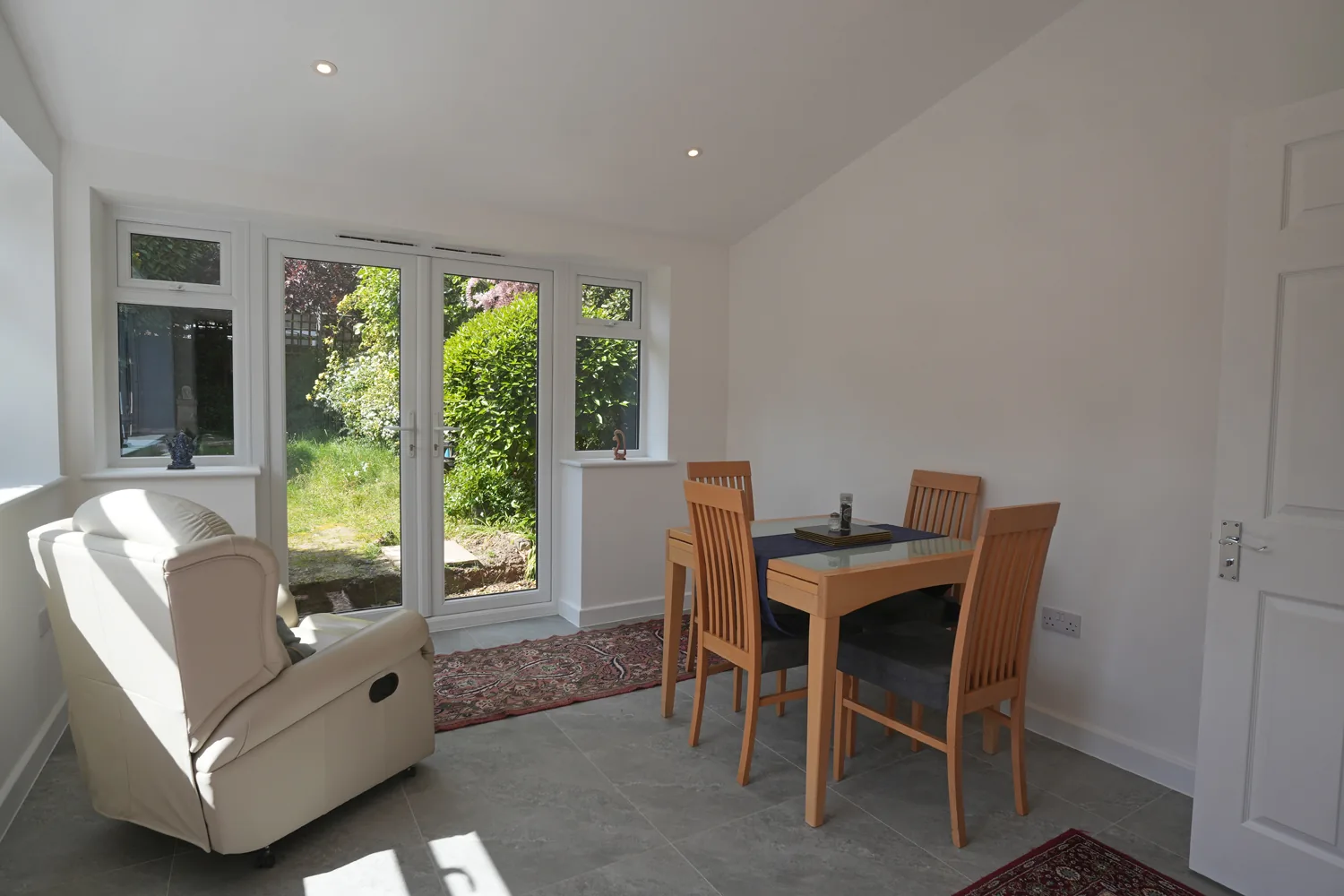
The common householder projects are porches, outbuildings and solar panels. Each has measurable limits, so you can check your own plans against them. The table below summarises the headline limits from the Planning Portal; the detail and the exceptions matter, so read the linked page for your project.
| Project | Headline limits |
|---|---|
| Porch | Ground floor area of no more than three square metres measured externally, no part more than three metres high, and no part within two metres of a boundary that fronts a highway |
| Outbuilding or garage | Single storey, eaves no higher than 2.5 metres, overall height of 4 metres for a dual pitched roof or 3 metres for any other roof, and not forward of the principal elevation |
| Solar panels on a pitched roof | Projecting no more than 200mm from the roof slope and not above the highest part of the roof |
Porches
The Planning Portal’s porch guidance sets three tests: a ground floor area of no more than three square metres measured externally, nothing more than three metres above ground level, and nothing within two metres of any boundary that fronts a highway. Fail any one and the porch needs an application.
Outbuildings, garages and garden rooms
For outbuildings, the Planning Portal says they must be single storey with eaves no higher than 2.5 metres, and no taller than 4 metres overall with a dual pitched roof or 3 metres with any other roof. No outbuilding can sit on land forward of a wall forming the principal elevation, and everything you add counts towards the half of the land around the original house. “Within the curtilage of listed buildings, any outbuilding will require planning permission”, and the same page says it does not cover use as separate self-contained living accommodation.
Solar panels
On a pitched roof, the Planning Portal’s solar guidance says panels should project no more than 200mm from the roof slope and should not be installed above the highest part of the roof. In a conservation area or World Heritage Site they must not be fitted to a wall, balcony or roof enclosure which fronts a highway, and they must not be installed on a building within the grounds of a listed building. The page also shows the rules are changing in stages, so check the current version before you order equipment.
Roofs and lofts
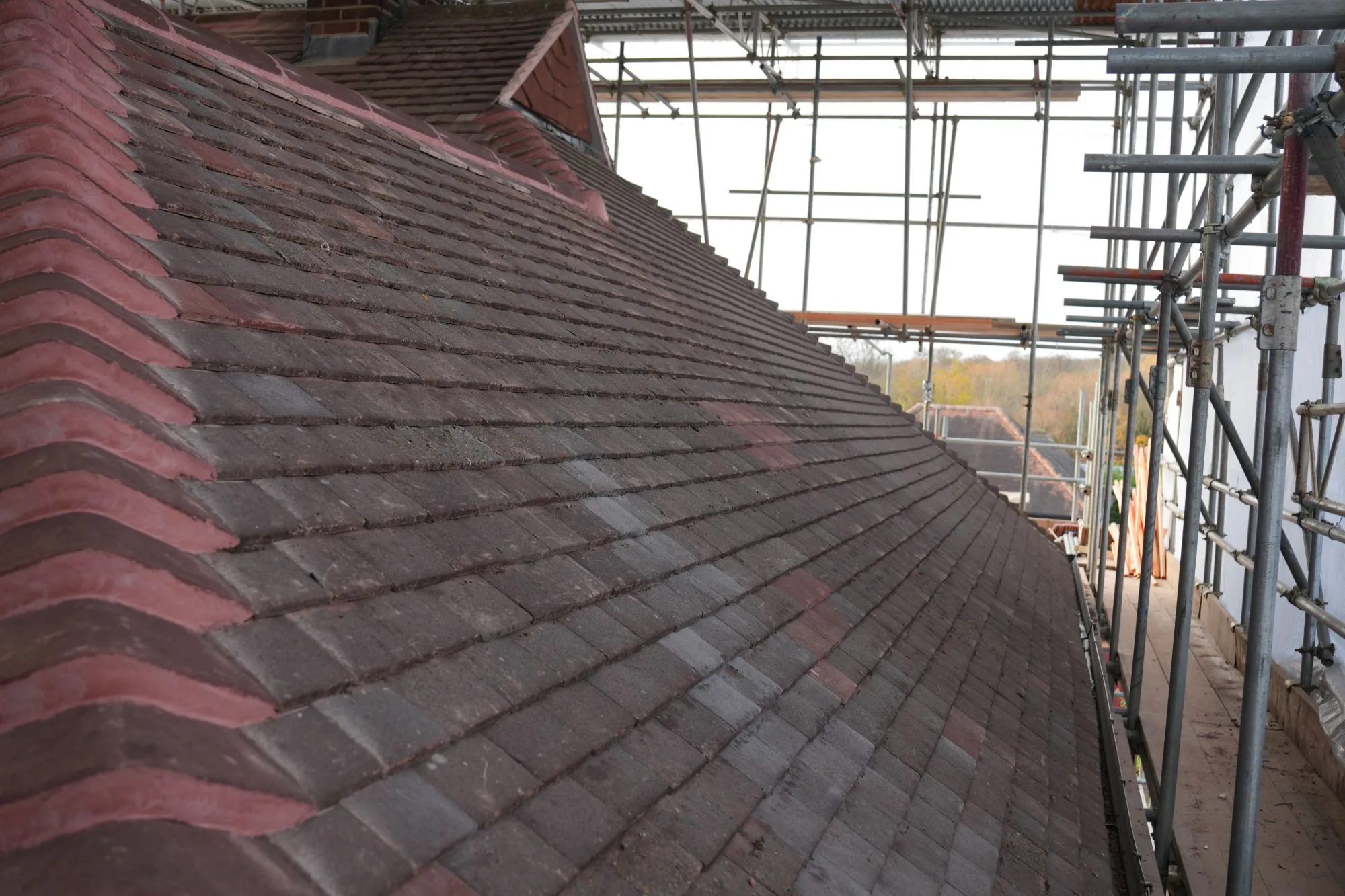
Roof alterations, including loft conversions, have their own permitted development rules and more ways to fall outside them. If your plans involve a dormer or a change to the roof shape, read our page on loft conversions and confirm the position with the council before you rely on the rights.
Tip
Measure from the original house, not from the house as it stands today. Earlier extensions and outbuildings use up part of your allowance, so list everything built since the house was first constructed before you start designing.
How do you find out whether your permitted development rights have been removed?
There are two ways your rights can be removed, and you need to check both.
- Article 4 directions. The Planning Portal says your local planning authority may have removed some rights through an “Article 4” direction, so work that normally needs no application may need one. Councils publish these on their own websites, and many show them on a map. We look at how this plays out locally in our guide to planning permission in Chelmsford.
- Planning conditions. The Planning Portal notes that permission under the national order is granted “provided that no restrictive condition is attached”. A planning permission for a new house or estate can include a condition that takes householder rights away, and the condition appears in the original decision notice on the council’s planning register.
Houses and flats created through permitted development rights have a further restriction: the Planning Portal says they “usually cannot subsequently use householder permitted development rights for additional development”.
Watch out
A neighbour’s extension tells you nothing about your rights. Theirs may have been built before a direction was made, or the houses may have different planning histories, so always check your own address.
Do flats, conservation areas and listed buildings get the same rights?
No. The Planning Portal says many permitted development rights for houses “do not apply to flats, maisonettes or other buildings”, so a flat usually needs an application for work a house could do under the rights. Commercial premises are different again and have their own rules.
Conservation areas, National Parks and similar designated land keep many of the rights but add restrictions, such as the rule on outbuildings at the side of a house and the solar wall rule above. Listed buildings are stricter still: an outbuilding in the curtilage of a listed building needs permission, and listed building consent is a separate system from planning permission. Our page on listed building renovation explains how we handle consent first on those projects.
Is a Lawful Development Certificate worth having?
Often, yes, when you are close to a limit or when you may sell. GOV.UK explains that a certificate for a proposed use or development confirms that it would be lawful, and that once granted, development carried out in line with it “must be presumed as lawful” unless a material change occurs before work begins. Anyone can apply, but you must describe the work precisely and give enough factual evidence.
A certificate is not a substitute for other approvals. GOV.UK says it confirms lawfulness for planning purposes only, so Building Regulations and listed building consent are still needed where they apply. It is also not compulsory, and for a modest project well inside every limit many homeowners decide they do not need one.
Should you check permitted development before you ask builders for prices?
Yes, because it decides whether your project needs a planning application at all, and that changes the order of everything else. Where permission is needed, we coordinate the planning application and advise honestly on what is likely to be approved, as our design and build service explains. Where it is not, you can move to design and pricing sooner.
Craig Bellamy, founder of Madisons, makes the wider point in his film on whether planning should be approved before you ask for prices: “you need to make sure your planning is done and awarded.” Establishing early whether you are inside permitted development is part of getting that step right.
Watch the film with its transcript: Should planning be approved before I ask for prices?
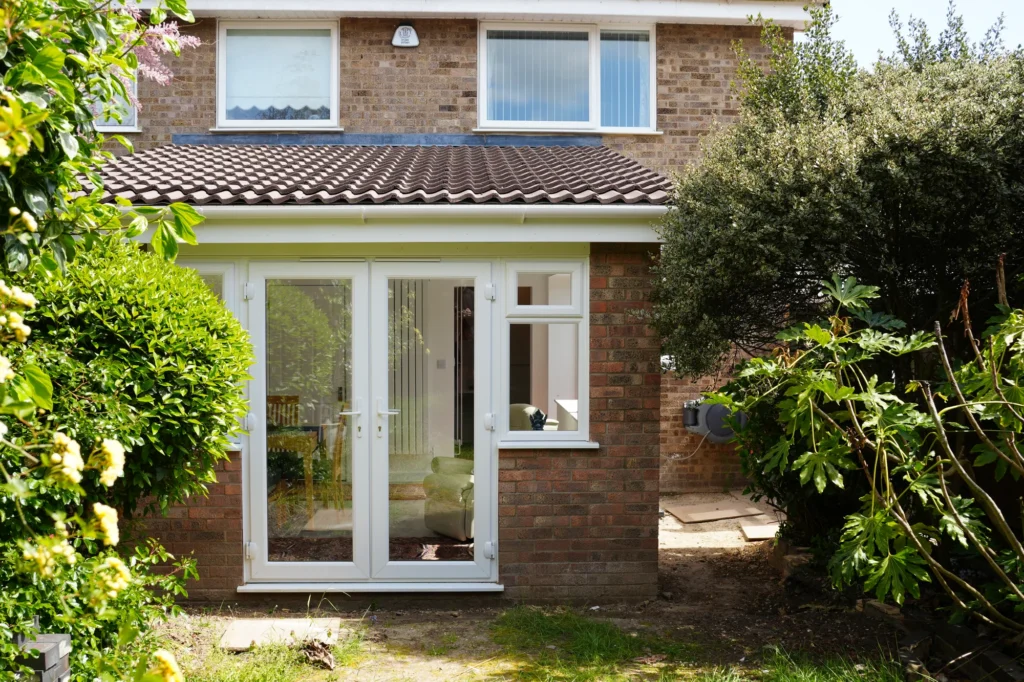
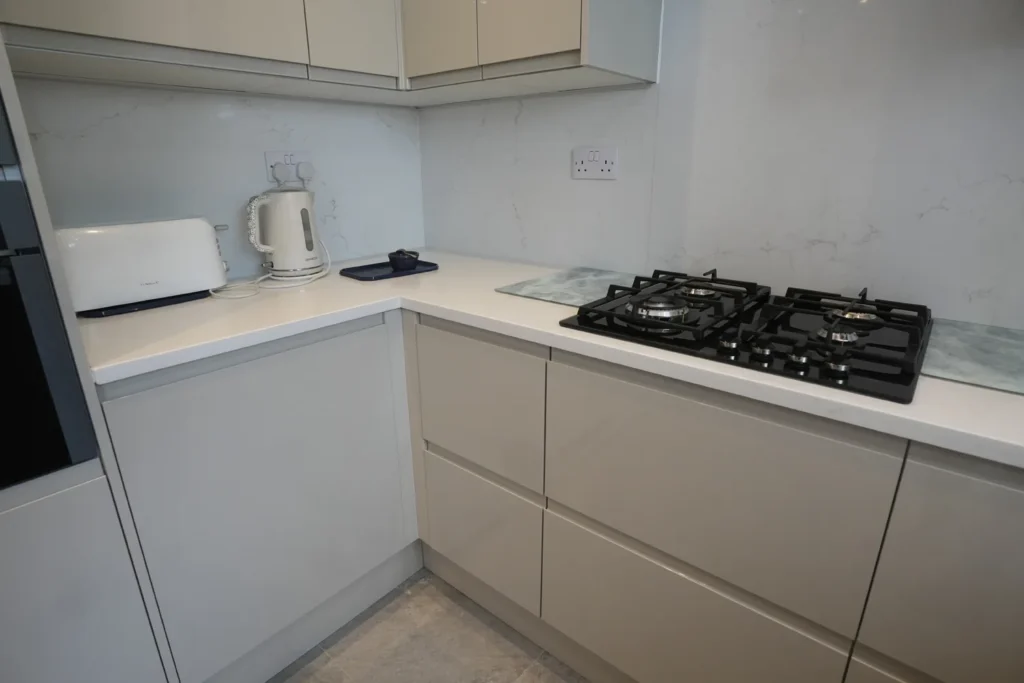
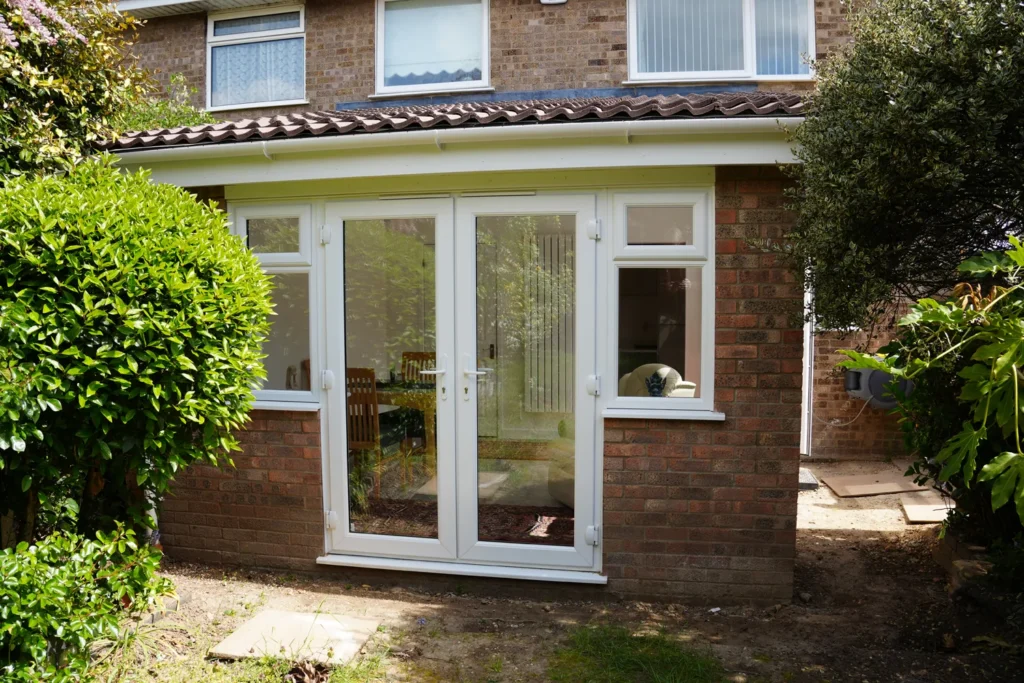
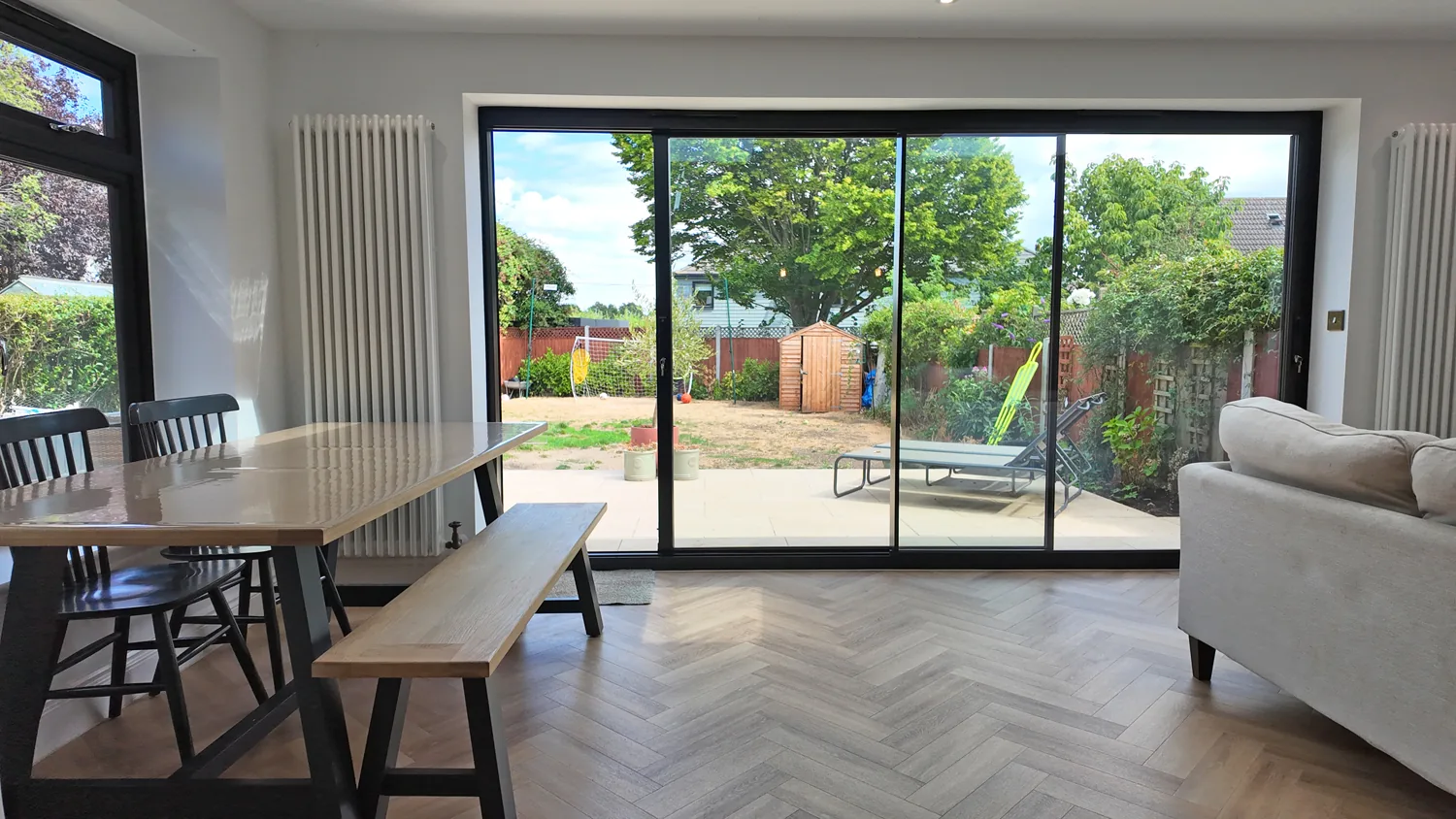
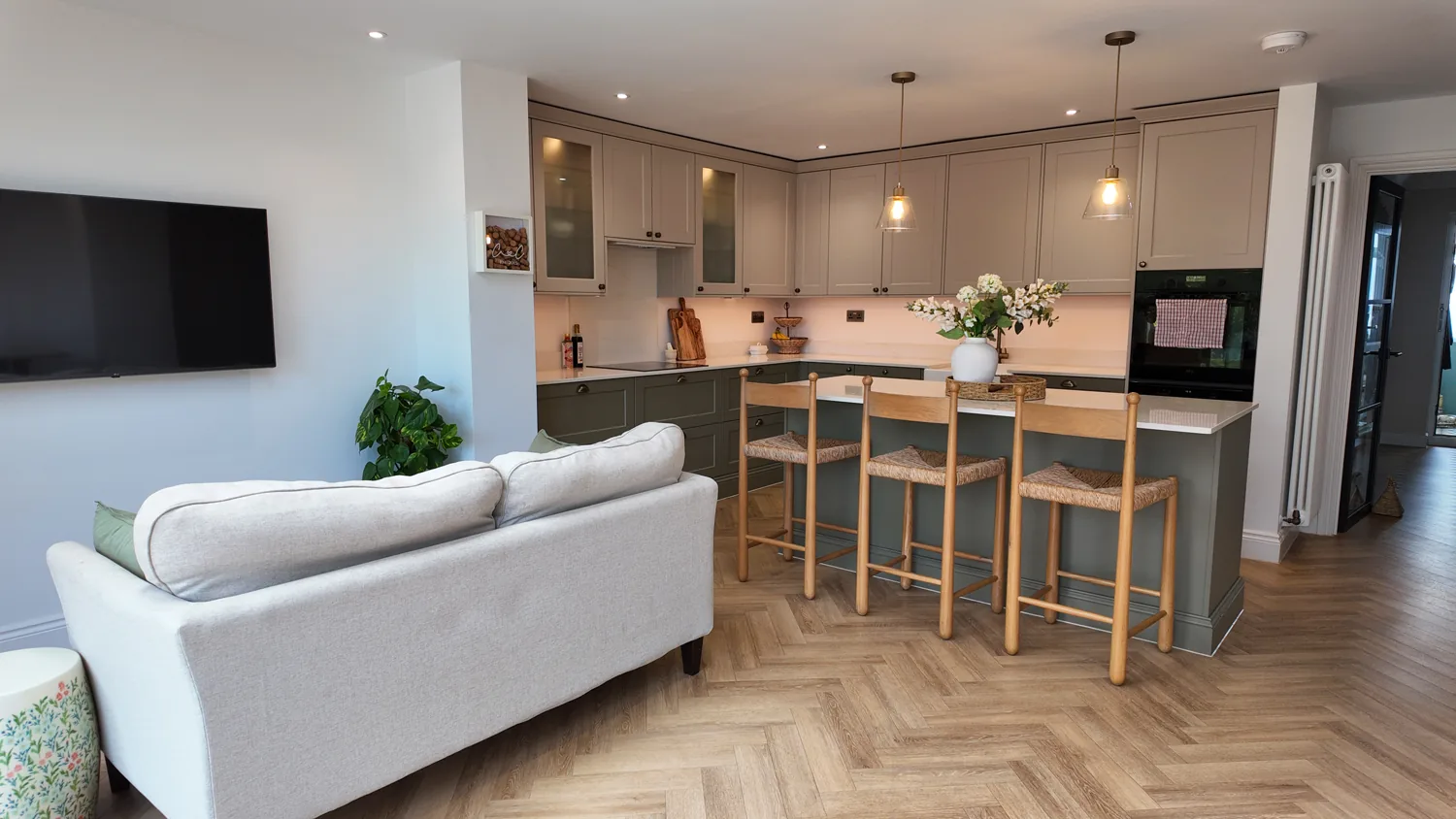
If your design is a house extension, our house extensions page shows how we run the project. Our Billericay extension is a side and rear extension that turned a galley kitchen and an unused dining room into one space onto the garden.
Sources and further reading
- Permitted development rights, Planning Portal
- Planning permission for porches, Planning Portal
- Planning permission for outbuildings, Planning Portal
- Planning permission for solar equipment on a house, Planning Portal
- Lawful development certificates, GOV.UK
Frequently asked questions
How do I find out if my permitted development rights have been removed?
Start with your local planning authority’s website, which should list any Article 4 directions and show them on a map. Then read the planning history for your address, especially if the house is on a newer estate, because the original permission may carry a condition removing the rights. If the two checks do not give a clear answer, ask the council directly and keep their reply in writing.
Do flats and maisonettes have permitted development rights?
Mostly not. The householder rights described in this guide are written for houses, so flats and maisonettes usually need a planning application for work that a house could do under permitted development. Rights for other kinds of building exist but are different, so check the specific work with your local planning authority before you commit to a design.
Does permitted development apply in a conservation area?
Some of it does, but with tighter limits. Work in a conservation area can still be permitted development, yet extra restrictions apply, for example on outbuildings at the side of a house and on solar panels fixed to a wall that faces the road. Many conservation areas also have an Article 4 direction, so always confirm with the council first.
Can I use permitted development if the house has already been extended?
Possibly, but earlier extensions use up part of your allowance. The limits are measured against the original house, so a previous extension or outbuilding counts towards the rule that additions can cover no more than half the land around it. If you are not sure what counts as original, ask the council or get a Lawful Development Certificate.