

The short answer
SMAS Worksafe is a health and safety accreditation that shows a contractor has been assessed against the SSIP standard. It tells you the company’s policies, insurance and procedures have been reviewed by an independent scheme. It does not replace your own checks on the people who will run your site.
Anyone appointing a contractor for an office, school or other commercial building will see accreditation logos on tender documents. This guide explains what SMAS Worksafe checks, how it relates to CHAS and to SMSTS site management training, and what to ask for alongside it, with reference to how we work at Madisons.
Key takeaways
- SMAS Worksafe is a member scheme of Safety Schemes in Procurement (SSIP), so its certificates are recognised across other SSIP schemes.
- Accreditation assesses the company’s health and safety management on paper, not how a particular site will be run on a particular day.
- SMSTS is a separate qualification for the people who manage the site, and the two work best together.
- The law still expects the client to make sure the contractor has the skills, knowledge, experience and organisational capability for the job.
What is SMAS Worksafe accreditation?
SMAS Worksafe is an SSIP certification scheme run by Smas, part of The Citation Group. SSIP describes itself as a central platform that reassures buyers about the health and safety competence of suppliers. It does not assess suppliers itself: its members do. SMAS Worksafe is one of those members, which is why a certificate from it carries weight with clients who ask for “SSIP accreditation” without naming a scheme.
In practice, a contractor applies, supplies its documents, and is assessed. Once approved, it appears on the SSIP portal, where clients and principal contractors can look it up. That is the point of the system: one assessment that many clients can rely on, instead of a different questionnaire for every tender.
What does SMAS Worksafe actually check?
According to the scheme’s own website, an assessment team reviews the contractor’s health and safety policies, and asks for financial documents such as bank statements, audited accounts and insurance policies to show the business is stable. The scheme also covers quality management, environmental management, anti-bribery guidance and the contractor’s supply chain.
That is a useful filter. A contractor with no written policies, no insurance or a shaky supply chain is unlikely to get through. What it cannot show is the day to day detail: who will be on your site, how they will manage the other building users, or how the contractor handled the last project that went wrong.
Is SMAS the same as CHAS, and what does deemed to satisfy mean?
No, but the difference matters less than it sounds. Both are SSIP member schemes, and SSIP’s deem to satisfy process exists so a supplier can use an existing SSIP certificate to meet another member scheme’s requirements without a full new assessment. SSIP explains that all its schemes assess against the same core criteria, which is why the certificates can be recognised across schemes.
Contractors often say they are “SMAS accredited, deemed to satisfy”. That is how our own accreditations page describes our health and safety accreditation. It means the contractor’s SMAS certificate is accepted by clients who require a different SSIP scheme, though a client can still choose to name a particular one, so confirm it at tender stage.
Tip
Ask for the contractor’s SSIP portal listing, not just a logo or a PDF certificate. A listing shows the current status, and it is easy to check before you sign anything.
What does SMSTS add, and how does it fit with SMAS?
SMAS looks at the company. The Site Management Safety Training Scheme looks at the person running your site. CITB describes SMSTS as a five day course for site managers and supervisors, covering legal responsibilities, the Construction (Design and Management) Regulations 2015, risk assessment and site set up. The certificate is valid for five years and has to be renewed with a refresher before it expires.
At Madisons, Craig Bellamy holds the SMSTS qualification and every project runs under SMSTS qualified site management, as our accreditations page states. We also work as a first aid trained team. For clients that is the useful combination: an independently assessed company, and a named, trained person on site. It is the same thinking behind our office fit out and school fit out work, where the building is often in use around us.

What should you ask for alongside SMAS Worksafe?
Treat accreditation as the start of your checks, not the end. HSE’s guidance for commercial clients says clients must appoint contractors and designers while making sure they have the skills, knowledge, experience and organisational capability. A logo does not discharge that, so ask for the following.
| Ask for | What it tells you |
|---|---|
| SSIP portal listing (SMAS Worksafe, CHAS or similar) | The company’s health and safety arrangements have been independently assessed. |
| SMSTS certificate for the named site manager | The person running your site has been trained for the role, and the date shows it is current. |
| First aid qualifications | Someone on site can respond if a worker or visitor is hurt. |
| Insurance certificates | The cover matches what your lease, funder or insurer requires. |
| A project specific risk assessment and method statement | The contractor has thought about your building, not just buildings in general. |
| Similar recent projects and references | They have worked in occupied or sensitive buildings before. |
Watch out
An accreditation certificate belongs to the company and can lapse. Check the current status on the portal at appointment, and again if the programme runs on for many months.
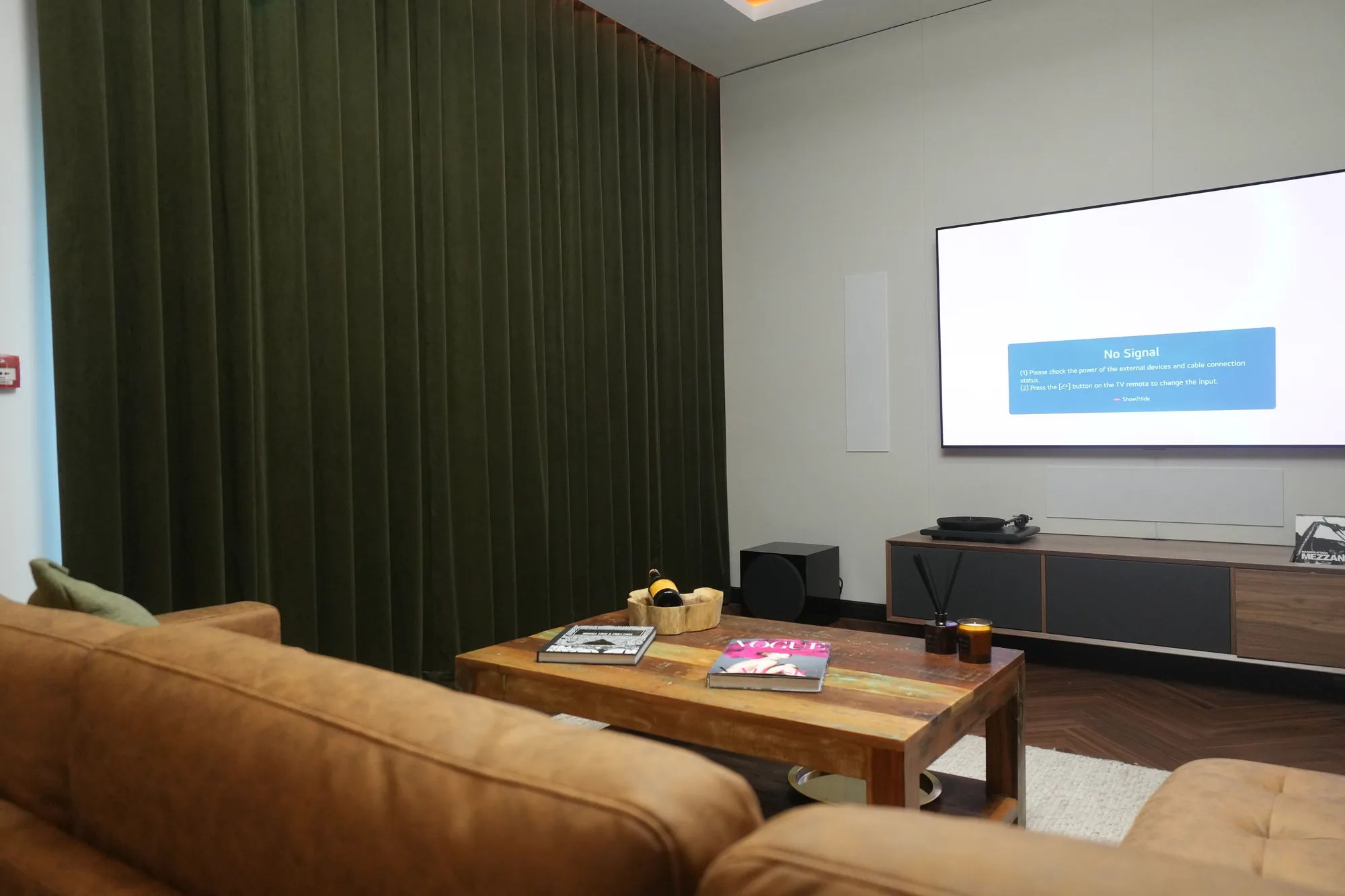
Our guide to Category A and Category B fit outs and our note on asbestos management surveys before office and school works cover two other checks that belong in the same pre-appointment conversation. If you want to see what a finished commercial project looks like, our Monitor Audio show unit is a good example, and the wider commercial fit out page shows the range of work we take on.
How do you check a contractor’s accreditation?
- Ask which scheme. Find out whether your tender documents name a particular SSIP scheme or accept any member.
- Look them up. Search the contractor on the SSIP portal, which SSIP says clients can use free, and note the certificate expiry date.
- Match the name. Make sure the trading entity that will sign your contract is the one that holds the certificate.
- Ask who will manage the site. Request the SMSTS certificate for that person and check the date.
- Keep a copy. File the evidence with your appointment record so you can show how you made the decision.
Sources and further reading
- Smas Worksafe SSIP scheme, Smas
- Safety Schemes in Procurement (SSIP), SSIP
- Deem to Satisfy to Mutual Recognition, SSIP
- Construction (Design and Management) Regulations 2015: commercial clients, HSE
- Site Management Safety Training Scheme (SMSTS), CITB
Frequently asked questions
What is SMAS Worksafe accreditation?
It is a health and safety certification awarded to contractors by SMAS, a member scheme of Safety Schemes in Procurement (SSIP). A contractor submits its policies and supporting documents for assessment, and a client can then see the result when it checks the contractor’s status. It shows that a contractor’s health and safety arrangements have been assessed against the SSIP standard, not that every job will be run safely.
Is SMAS the same as CHAS?
No, they are separate schemes run by different organisations, but both are SSIP members and assess against the same SSIP core criteria. Under the SSIP mutual recognition process, a contractor certified by one can usually have that certificate recognised by the other without a full new assessment. A few clients still name one scheme in their tender documents, so it is worth checking before you assume either will do.
What does SSIP mean?
SSIP stands for Safety Schemes in Procurement. It is a forum of health and safety assessment schemes that agree a common set of core criteria, so that contractors do not have to be assessed again and again by every client. SSIP does not carry out assessments itself. Its member schemes, such as SMAS Worksafe and CHAS, do that.
Does a contractor need SMSTS as well as SMAS?
They do different jobs. SMAS assesses the company’s health and safety arrangements, while SMSTS is a five day course that trains the people who manage a site. A contractor can hold one without the other, so for a school, office or live building it is sensible to ask for both and to ask who will actually be managing your site.