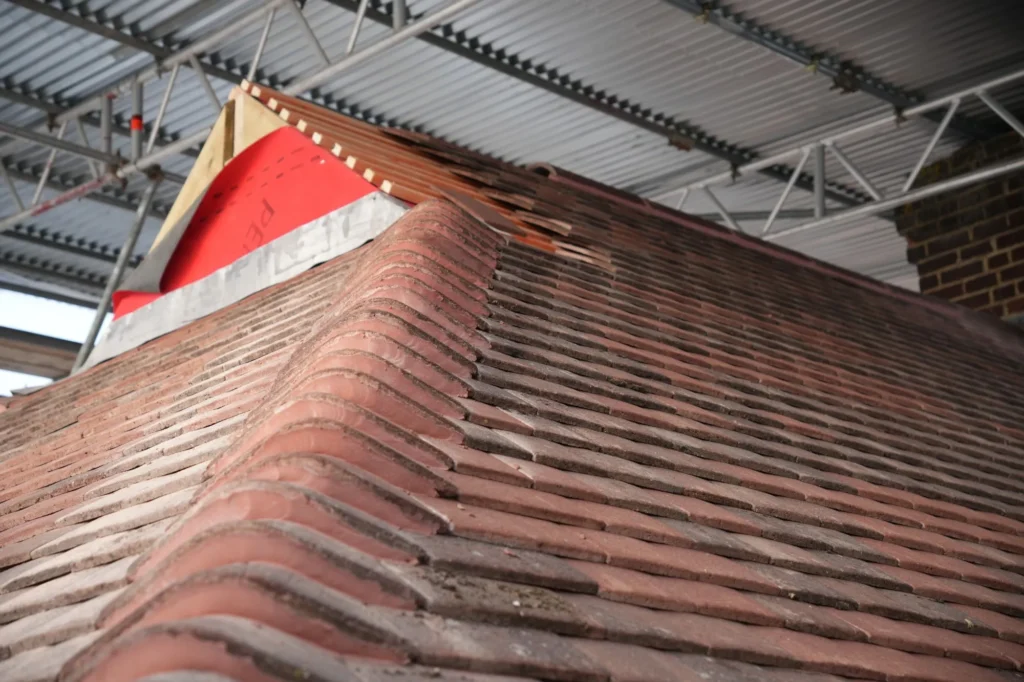



The short answer
A management survey is the routine asbestos survey for a building in normal use: it finds asbestos that everyday occupation and maintenance could disturb, and it feeds the asbestos register and management plan. A refurbishment survey is the intrusive one, needed before major works open up the fabric. Offices and schools often need both.
This guide is for the person responsible for an office, school or other non-domestic building who is planning a refurbishment or fit out. It explains the two survey types, who has to arrange them, and when to book them so the programme does not stall. It is general guidance, not a substitute for a surveyor’s advice on your own building.
Key takeaways
- A management survey supports day to day management of asbestos in an occupied building and is not designed for opening up the structure.
- A refurbishment and demolition survey is destructive, covers the area being worked on and must be done before structural work begins.
- The duty to manage asbestos rests with the dutyholder, usually the owner, landlord or whoever maintains the building, and it cannot be passed to a managing agent.
- HSE strongly recommends using accredited asbestos surveying organisations, and UKAS is the accreditation body for them in Great Britain.
- Book the survey before you price and programme the works, because the findings can change what is included and how long it takes.
What is an asbestos management survey?
It is the standard survey for a building that people are using. HSE says the main aim of a management survey is to allow the dutyholder to produce an asbestos register and an asbestos management plan, and that it helps you manage asbestos-containing materials during normal occupation and use of the premises.
A management survey should include an inspection of every room, corridor and stair, the voids above false ceilings, lofts, risers and service ducts, and external areas such as roofs, soffits and gutters. The findings go into a register that records where asbestos is, what it is and what condition it is in, so that anyone doing maintenance can see what they might disturb.
One practical point catches people out. HSE warns that restrictions on the survey scope can seriously undermine its value, and that any area not inspected, for example because there was no access on the day, has to be presumed to contain asbestos and managed accordingly until it can be inspected. An office survey that skipped the plant room or the ceiling void is therefore not a clean bill of health.
What is a refurbishment and demolition survey?
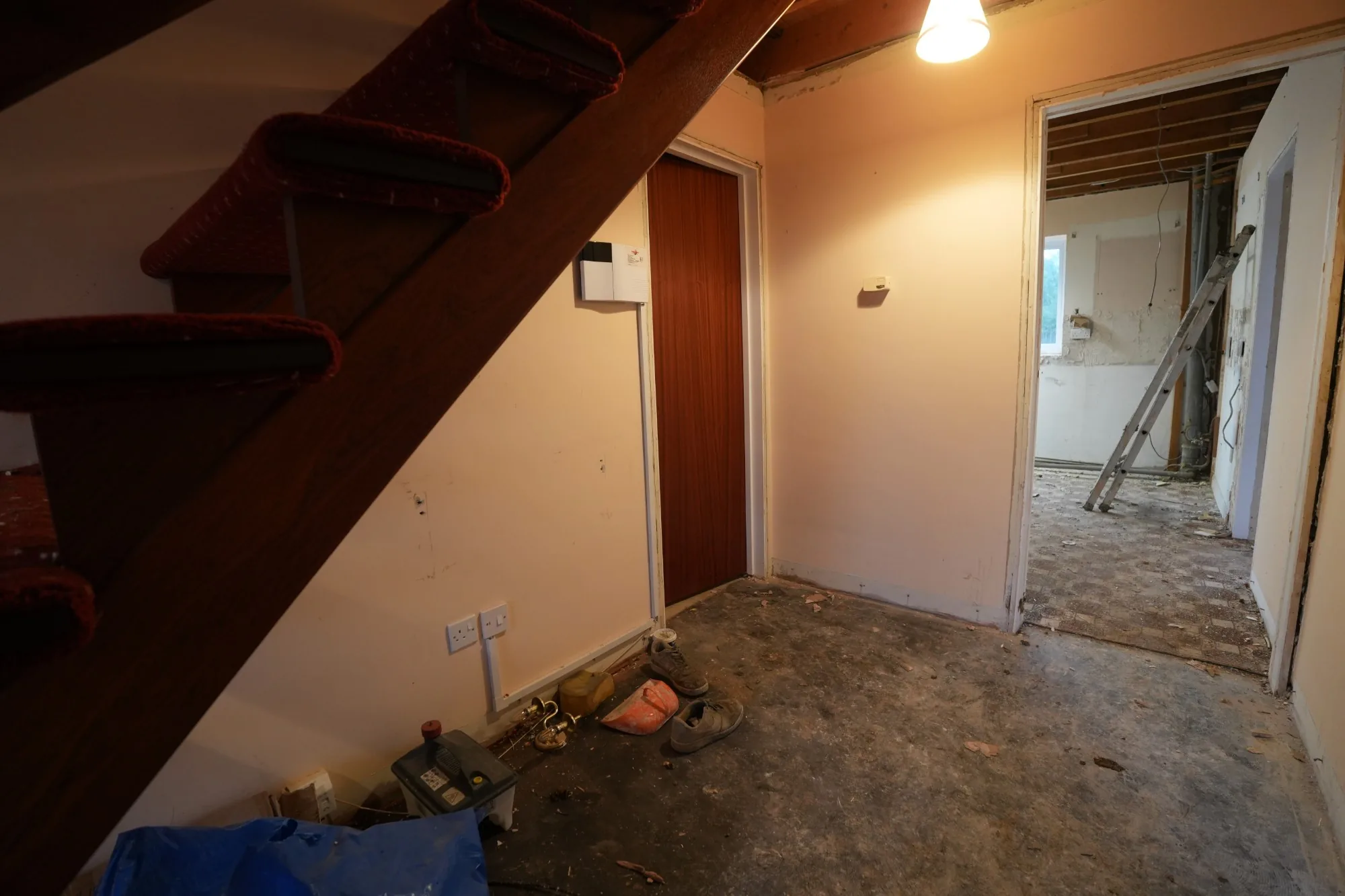
It is the survey you need before major works. According to HSE’s guidance on arranging a survey, it must locate and identify asbestos-containing materials, including those hidden within the building fabric, before any structural work begins. It involves destructive inspection and possible disturbance of asbestos, so it must be carried out by a competent surveyor and the area has to be vacated while it happens.
The reason is simple. HSE states there is a legal requirement for all asbestos-containing materials to be removed, as far as reasonably practicable, before major refurbishment or demolition. A strip out, new partitions, a re-routed services run or a new ceiling grid can all disturb material that a surface inspection never saw. Regulation 5 of the Control of Asbestos Regulations 2012 goes further: an employer must not undertake work that exposes, or is liable to expose, employees to asbestos unless it has first assessed whether asbestos is present, or has assumed that it is.
| Question | Management survey | Refurbishment and demolition survey |
|---|---|---|
| Main purpose | Produce the asbestos register and management plan | Find asbestos, including hidden material, before structural work |
| Building status | Normal occupation and use | Before major refurbishment or demolition |
| How intrusive | Inspection of accessible areas | Destructive inspection of the area being worked on |
| Occupants | Can usually stay in use | Area must be vacated during the survey |
Which survey does your office or school need?
Work through it in this order:
- Do you already have a management survey and register? If you are a dutyholder you should. Read it and check it covers the areas the works will touch, and that nothing was presumed rather than inspected.
- Is the work light and non-intrusive? Redecoration, new floor coverings laid over the existing floor and furniture changes may be covered by the register and your management plan. Ask your surveyor to confirm that, area by area.
- Does the work open up the fabric? Stripping out, removing or building partitions, new ceilings, new services routes and anything structural point to a refurbishment survey of the affected area before work begins.
- Is the whole building changing? A major refurbishment or demolition points to a survey of the whole building or the whole affected part.
Watch out
A management survey is not a licence to open up the building. If a contractor says “the asbestos survey is done” ask which type it was, which areas it covered, and whether any area was presumed rather than inspected.
Who has the duty to manage asbestos?
The duty sits in regulation 4 of the Control of Asbestos Regulations 2012. It applies to non-domestic premises, and HSE’s page on checking whether you have the duty says the dutyholder could be the building owner, the landlord, or the person or organisation with clear responsibility for maintenance or repair under a contract or tenancy. Where there is no clear agreement, or the premises are unoccupied, the person in control of the premises is responsible, often the owner.
The regulation requires a suitable and sufficient assessment of whether asbestos is or may be present. Where it is, the dutyholder must make a risk determination and prepare a written plan identifying the affected parts and how the risk will be managed. HSE is clear that the legal obligation cannot be passed to a managing agent, and everyone else must cooperate with the dutyholder so far as necessary for them to comply.
What it means for schools
HSE’s asbestos FAQs for schools say that for the majority of schools the dutyholder will be the employer, and for academies and free schools it will be the Academy Trust. Where a local authority delegates building budgets to schools, both parties have dutyholder responsibilities. If you are planning works over a holiday, check who holds the register before you ask anyone to quote.
When should you book the survey?
Before the works are priced and programmed. The survey result decides what is in the scope: material that has to be removed first, areas that need to be vacated, and the order in which zones can be worked. Booking late is how a programme ends up waiting on a survey it could have had earlier.
- Check the register. Gather the asbestos register, management plan and any earlier surveys.
- Confirm the extent of the works. A surveyor needs drawings or a clear marked-up scope showing the walls, ceilings, floors and services affected, so they inspect the right areas.
- Book a competent surveyor. Choose a surveying organisation with the right accreditation, and agree access, including the areas that will need to be empty.
- Act on the findings. Where asbestos has to be removed, that is done before the works start by an appropriate contractor.
- Share the information. Give the register and survey report to every contractor who will work in the building.
Tip
HSE says the dutyholder should be satisfied that the surveyor is technically competent, and that it strongly recommends using accredited asbestos surveying organisations. It names the United Kingdom Accreditation Service (UKAS) as the sole recognised accreditation body in Great Britain for asbestos inspection bodies carrying out surveys.
How does this fit with a commercial fit out?
A fit out or refurbishment programme starts with strip out, and strip out is where hidden asbestos gets disturbed. So the survey belongs at the start of planning, not the start of site work. If you are comparing the stages of an interior project, our guide to Category A and Category B fit outs explains how the work is staged.
Our office fit out service covers refurbishment in occupied buildings, and the live page says work is programmed around live businesses, using phased areas and out-of-hours shifts where needed. Phasing and survey access go together: if only part of an office can be vacated at a time, the survey can follow the same phases. For education buildings, our school fit out page covers work programmed around term dates, and the same sequencing applies.

Finishing trades matter too. If you are only redecorating, our commercial painting and decorating page shows what that work covers, but any preparation that drills, sands or cuts into old surfaces should be checked against the register first.

For an example of an interior built to a demanding specification, see our Monitor Audio show unit. Whatever the project, the starting point is the same: know what is in the building before anyone opens it up. You can find our other commercial services on the commercial fit out hub.
What should you ask a contractor about asbestos?
- Which survey do you hold? Ask for the type, the date, the areas covered and the surveyor’s organisation.
- Were any areas presumed? Presumed material has to be treated as asbestos until it is inspected.
- What happens if something unexpected turns up? The sensible answer is to stop work in the area and get it assessed before carrying on.
- Who is the dutyholder? Make sure the contractor knows who to report to and where the register is kept.
- How will the programme absorb a survey? A realistic programme includes survey time, any removal and the clearance of areas.
Sources and further reading
- The duty to manage asbestos in buildings: Arrange an asbestos survey, Health and Safety Executive
- The duty to manage asbestos in buildings: Check if you have the duty, Health and Safety Executive
- Managing asbestos in schools: frequently asked questions, Health and Safety Executive
- The Control of Asbestos Regulations 2012, regulation 4, legislation.gov.uk
- The Control of Asbestos Regulations 2012, regulation 5, legislation.gov.uk
Frequently asked questions
What is the difference between a management and a refurbishment asbestos survey?
A management survey is the routine survey for a building in normal use. It finds asbestos that could be disturbed by everyday occupation and maintenance, and it feeds the asbestos register and management plan. A refurbishment and demolition survey is destructive and covers the whole area being worked on, including what is hidden inside the building fabric, before any structural work begins.
Do you need an asbestos survey before an office refurbishment?
Yes, in practice. Before the work starts, the party doing it must know whether asbestos is present, and a management survey alone is not designed for opening up walls, ceilings and floors. For major refurbishment, HSE describes a refurbishment and demolition survey as the right survey, carried out by a competent surveyor before structural work begins.
Who has the duty to manage asbestos?
The dutyholder, who in a non-domestic building is the owner, the landlord, or whoever has clear responsibility for maintenance or repair under a contract or tenancy. Where nobody has that responsibility, it falls to the person in control of the premises. The legal obligation cannot be passed to a managing agent.
Does the area have to be empty during a refurbishment and demolition survey?
Yes. HSE says the survey involves destructive inspection and may disturb asbestos, so the area must be vacated while it is carried out. The surveyor must then confirm the area is fit for reoccupation. In an occupied office or school this is one reason to book the survey early and to agree which zones will be cleared, and when.
Does the duty to manage asbestos apply to schools?
Yes. HSE lists schools among the non-domestic premises covered. For the majority of schools the dutyholder is the employer, and for academies and free schools it is the Academy Trust. Where a local authority delegates building budgets to a school, both parties have dutyholder responsibilities, so it pays to be clear about who holds the asbestos register.