


The short answer
Value engineering means reviewing a design and specification before building, to cut cost without losing the function, safety or finish that matter to you. Done well, it swaps materials, simplifies details and removes waste. Done badly, it is cost cutting under another name. The best time is before the price is agreed.
Value engineering is a phrase builders and quantity surveyors use freely, and homeowners often hear it only when a quote comes in too high. This guide explains what it should and should not mean, when to do it, and what to ask. It draws on our Chigwell design and build case study only as an example of one team carrying a project from drawings to finish, and on Craig Bellamy’s film about why we are not the cheapest quote. It makes no claims about savings on any of our projects.
Key takeaways
- Value engineering is a review of what each part of a design needs to do, so money goes where it matters and not where it does not.
- It should never reduce structural safety, fire safety, energy performance or anything else the Building Regulations require.
- The cheapest moment to do it is before the price is agreed and before any work starts, because changes later can increase prices.
- A saving that removes something you will touch or see every day is usually a false economy, whereas a saving that simplifies hidden complexity usually is not.
What does value engineering mean on a house project?
Value engineering is one of the core methods of value management, which is about getting the best balance between what a project delivers and what it costs. In an article on getting value management right, the RICS Construction Journal describes value engineering as combining function analysis, function cost analysis, challenge and creative thinking. In plain terms: you list what each part of the building has to do, you work out what it costs to do it, and you ask whether something else could do the same job for less.
The same article also admits the problem with the phrase. Value engineering can be used as a euphemism for cost cutting, and the article warns against exactly that. Whether the term is honest or not depends entirely on what is being cut, and on whether you are told.
On a house project it usually covers three kinds of decision:
- Design. Simplifying a roof shape, a footprint or a run of steelwork so the same rooms cost less to build.
- Specification. Choosing an equivalent product that performs the same, or putting your budget into the finishes you will notice.
- Scope. Removing a feature that adds expense but little to how you live, or phasing it for later.
What should value engineering never touch?
Anything the law and safety depend on. Schedule 1 of the Building Regulations 2010 sets the requirements for structure, fire safety, energy conservation and more, and the very first of them says a building must be constructed so that its loads are sustained and carried safely to the ground. A saving that weakens any of them is not a saving, it is a defect waiting to be found. The RICS article makes the same point in its own terms: cost cutting to meet a budget must not affect the functions required for safety, well-being and other critical outcomes.
As a rule, keep these off the table:
- Structural design, including steel sizes and foundations, which should stay as the engineer specified.
- Fire safety measures, and ventilation and energy performance that the Regulations require.
- Waterproofing, damp proofing and anything that keeps the weather out.
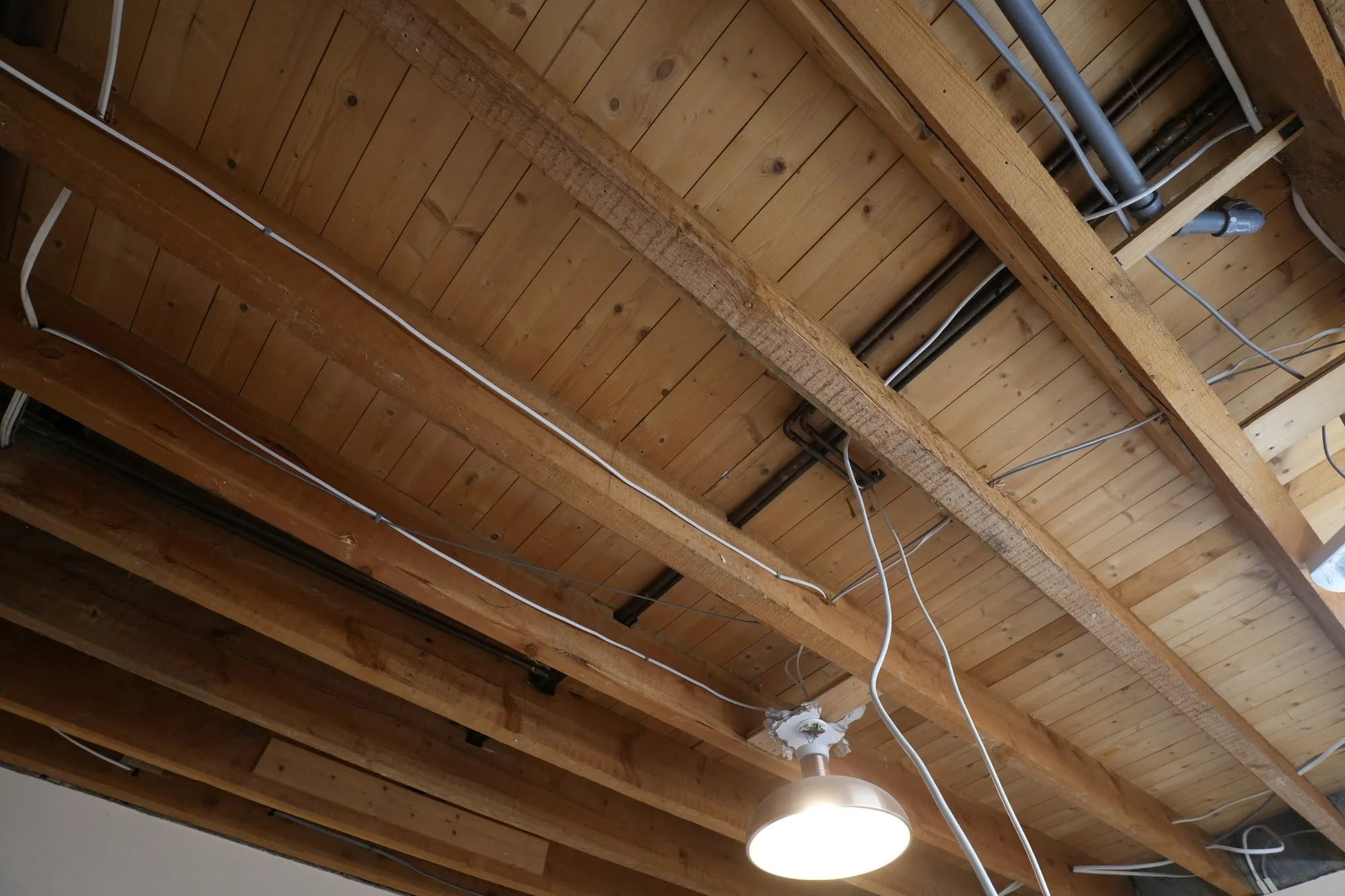
- Services and first fix work hidden behind plaster, which is expensive to reopen.
Watch out
If a proposed saving cannot be explained in terms of what the element does, and whether it still meets the Building Regulations, ask for it in writing before you agree to it.
When should value engineering happen?
Before the price is agreed and before work starts. Build It magazine’s guide to prime cost and provisional sums puts it bluntly: if the budget is too high, do the value engineering before work begins, because changes made later can increase prices. Once drawings are issued, materials are ordered and walls are built, every change has a knock-on cost.
That is also why value engineering belongs alongside the design stages and not at the end of them. Our guide to the RIBA stages explained for homeowners shows where those decisions sit. RICS says value management should be used iteratively and continuously through the life of a project, so the review does not stop at the contract, but the large decisions are cheapest early.
It also pays to understand the allowances in a quote. A prime cost sum is an allowance for something not yet chosen, and as Build It explains, the final cost depends on the supplier’s invoice, so choosing a dearer item than the allowance assumed pushes the total up. Agreeing the specification early is a form of value engineering in itself. Our guide to why builders’ quotes vary, and how to compare them covers how allowances make quotes hard to compare.
How do you tell a real saving from a false economy?
Ask what the change gives up, who notices, and how often. A good rule is to protect what you see and touch every day, and to question complexity you will never see.
| Proposed change | Question to ask | Usually |
|---|---|---|
| An equivalent material that performs the same | Is the performance, warranty and look genuinely equal? | A real saving |
| Simplifying a roof, footprint or span | Do you still get the rooms and light you wanted? | Often a real saving |
| Leaving out a feature you would rarely use | Would it be costly to add later? | A real saving if it is easy to add later |
| Thinner insulation or lighter structure | Does it still meet the Building Regulations? | Not an option |
| Cheaper fittings for things used daily | Will you notice it every morning? | Often a false economy |
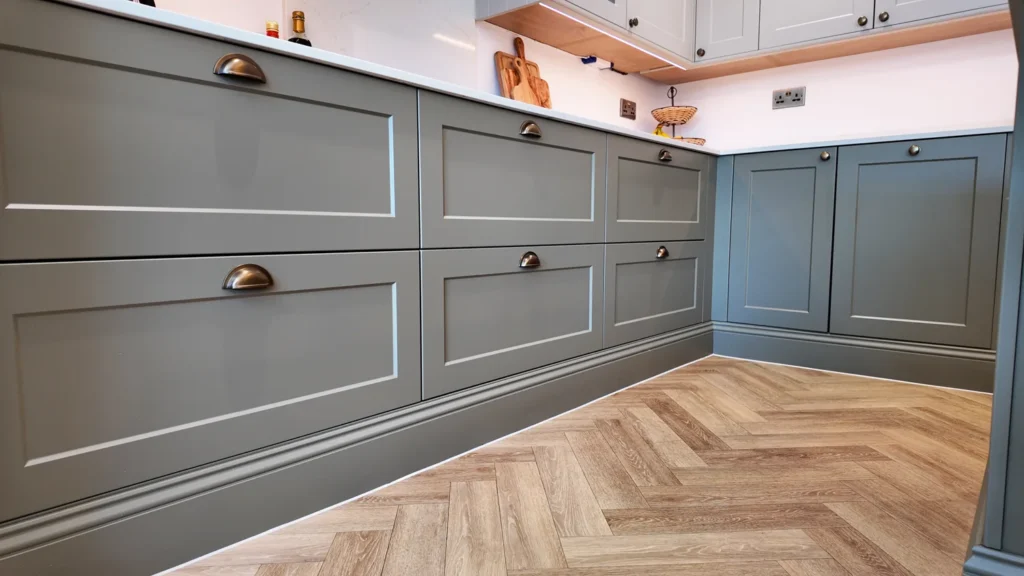
The last row is where many projects go wrong. Taps, handles, worktops, flooring and doors are the parts of a house you use constantly, so they are the last place to economise without looking closely. Craig personally oversees the interior finishes on every Madisons project.

Tip
Keep a contingency as well as a value engineered budget. Craig explains how much to hold back in his film on keeping a contingency.
Is value engineering the same as choosing the cheapest quote?
No, and the difference matters. Choosing the cheapest quote hands the saving to the builder’s pricing, and often the cost reappears later. Value engineering keeps the specification honest and moves the money deliberately. Craig Bellamy, founder of Madisons, says it in his film “Why we are not the cheapest quote”: “the cheapest quote always costs you more in the end, because A, they’ve probably missed stuff, B, they’re probably trying to do everything themselves and stretch.”
Watch the film with its transcript: Why we are not the cheapest quote
He adds a plainer warning in the same film: “Sometimes they say buy cheap, buy twice, and it really is true.” The aim of value engineering is the opposite of buying twice: to spend once, in the right places.
Our design and build service page says the same from the client’s side, that design and build is rarely the cheapest quote on day one, and that each project gets one clear quotation covering the whole journey before construction begins.
How does value engineering work when one team designs and builds?
It is easier, because the people pricing the work are also the people designing it. Under one contract, a decision about the structure, the layout or a finish can be tested against the rest of the job before it is priced and built, rather than passed between separate designers and builders who each protect their own part.
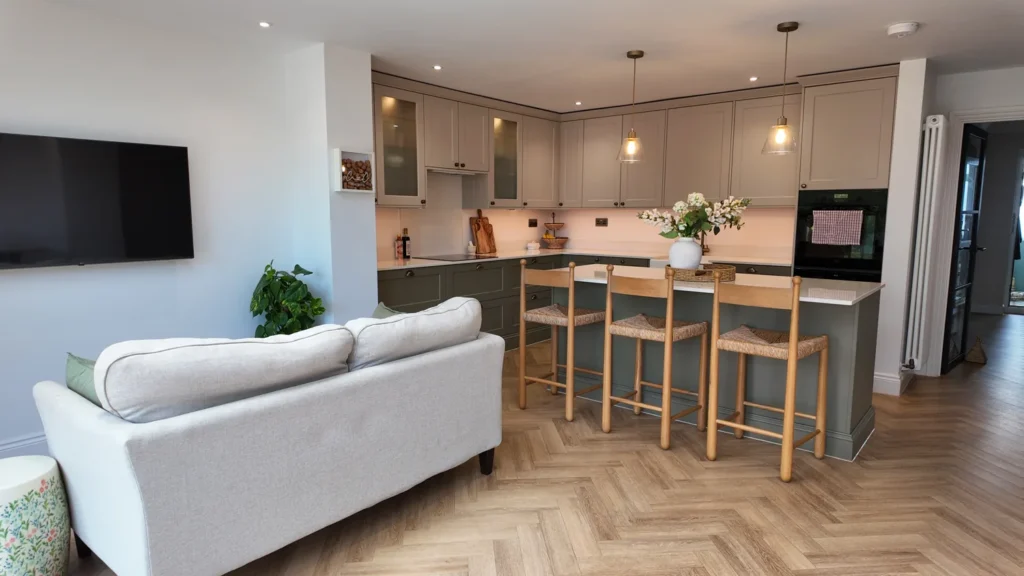
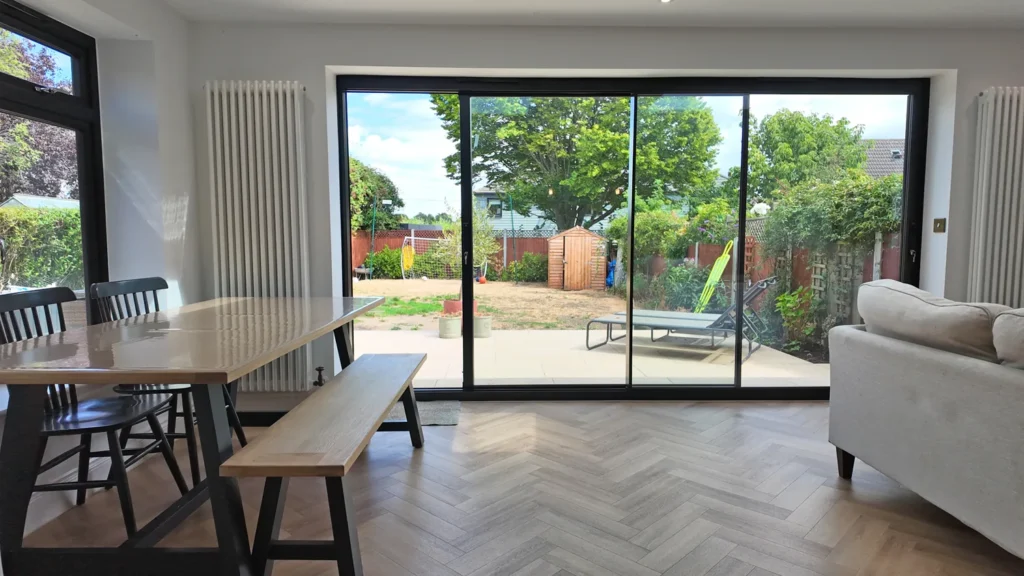
The Chigwell case study shows what that single team looks like on a large project: upper floors, the rear and internal walls demolished and the upper storeys rebuilt around a new layout designed to suit the architect’s scheme, with the structure, the finishes and the delivery under one contract. The same approach applies at any size, from a whole house renovation upwards.
What should you ask your builder about value engineering?
- Can you show me what you would change, and what each change gives up?
- Does any change affect structure, fire safety, insulation or the Building Regulations?
- Which allowances in the quote are still estimates, and what happens if my final choice costs more?
- What would it cost to add this back later if I change my mind?
- Will you confirm every agreed change in writing, with its effect on the price?
A builder who answers these openly is doing value engineering. One who only says “we can save you some money” is not.
Sources and further reading
- Getting value management right, RICS Construction Journal
- What are prime costs and provisional sums?, Build It
- Schedule 1 of the Building Regulations 2010, legislation.gov.uk
Frequently asked questions
What does value engineering mean on a house build?
It means reviewing the design and specification, item by item, to find ways of delivering the same function and quality for less, or better value for the same money. Typical examples are an equivalent material at a lower cost, a simpler detail, or a feature that adds expense but little to how you live. It is not the same as simply removing things to hit a number.
Can value engineering lower quality?
It can if it is used as a polite name for cost cutting, which is a known criticism of the term. Properly done, it tests each change against the function the element has to perform and against the finish you care about, and it rejects any saving that weakens safety, compliance or the parts of the house you use every day.
When should value engineering happen?
As early as possible: when the design is taking shape and before the price is agreed or work starts. Changes after that point can increase prices, because drawings, orders and sometimes structural calculations have to be redone. Some review continues through the build, but the biggest decisions belong before the contract.
Who decides what changes during value engineering?
You do, with advice. A good builder explains what each option saves, what it gives up and whether it affects compliance, then you choose. Anything structural should be confirmed by the engineer who designed it, and anything affecting the Building Regulations has to stay compliant whatever it costs.