

The short answer
Listed building consent is the council’s permission to demolish, alter or extend a listed building in a way that affects its character. It is separate from planning permission, you may need either or both, and carrying out work that needs it without it is a criminal offence. Apply before any work starts.
Many owners of period homes only discover the rules when a plan is already drawn up. This guide explains what the consent covers, how it differs from planning permission, what happens if work goes ahead without it, and how to approach an application. It draws on the Act itself and on the kind of old-house work we do at Madisons.
Key takeaways
- Listed building consent and planning permission are two separate regimes, and one project can need both, one or neither.
- The legal test is whether work would affect the special architectural or historic character of the building, not whether the work is large or small.
- Carrying out work that needs consent without it is a criminal offence, and consent granted afterwards only authorises the work from the date of the grant.
- If you are in any doubt, ask the council in writing before you start, and involve an architect with heritage experience early.
What is listed building consent?
It is the formal permission you need before you change a listed building in a way the law treats as significant. Section 7 of the Planning (Listed Buildings and Conservation Areas) Act 1990 says that no person shall carry out works “for the demolition of a listed building or for its alteration or extension in any manner which would affect its character” as a building of special architectural or historic interest, unless the works are authorised. Consent is how they become authorised, and the decision is made by your local planning authority, which is the district, borough or city council for your area.
Listing protects the building as a whole, so the question is never only about the front elevation. The wording of the Act does not separate inside from outside: what matters is whether the work would affect the character that earned the building its listing.
Is listed building consent the same as planning permission?
No. The government’s guidance on conserving and enhancing the historic environment puts it plainly: “Listed building consent and planning permission are 2 separate regimes.” Some works need both, some need only one and some need neither. The same guidance says consent is required for works that demolish any part of a listed building or alter or extend it in a way that affects its character, “irrespective of whether planning permission is also required”.
A rear extension to a listed house is the classic example of needing both. Our guide to planning permission for an extension covers the planning side, and our listed building renovation service covers renovation and extension work on listed and period homes.
| Question | Listed building consent | Planning permission |
|---|---|---|
| What does it control? | Works that affect the character of the listed building | The development and its use of land |
| Who decides? | Your local planning authority | Your local planning authority |
| Can one be needed without the other? | Yes | Yes |
What work needs listed building consent?
Think in terms of the effect on the building rather than a fixed list. The statutory test covers demolition of the whole or any part, and any alteration or extension that would affect character. In practice, that means you should expect to need consent, and take advice before you assume otherwise, for work such as:
- Extensions. Any addition that changes the form of the building.
- Structural alterations. Knocking through walls, opening up or closing openings, or changing floor levels and roof structure.
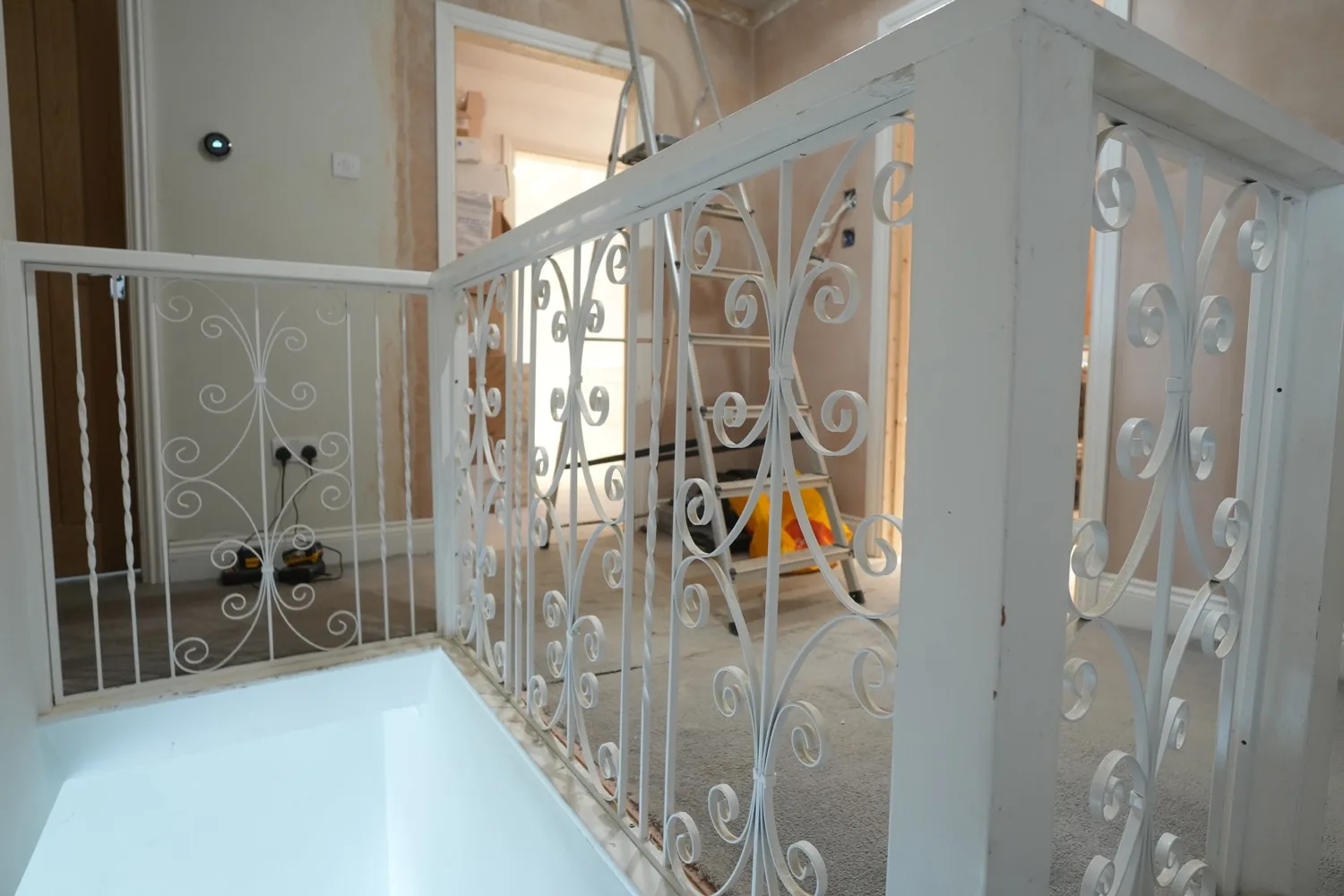
- Original features. Removing or replacing historic doors, windows, staircases, fireplaces, panelling or plasterwork.
- Materials and finishes. Changing the way the building is built or finished, for example replacing lime-based materials with modern ones.
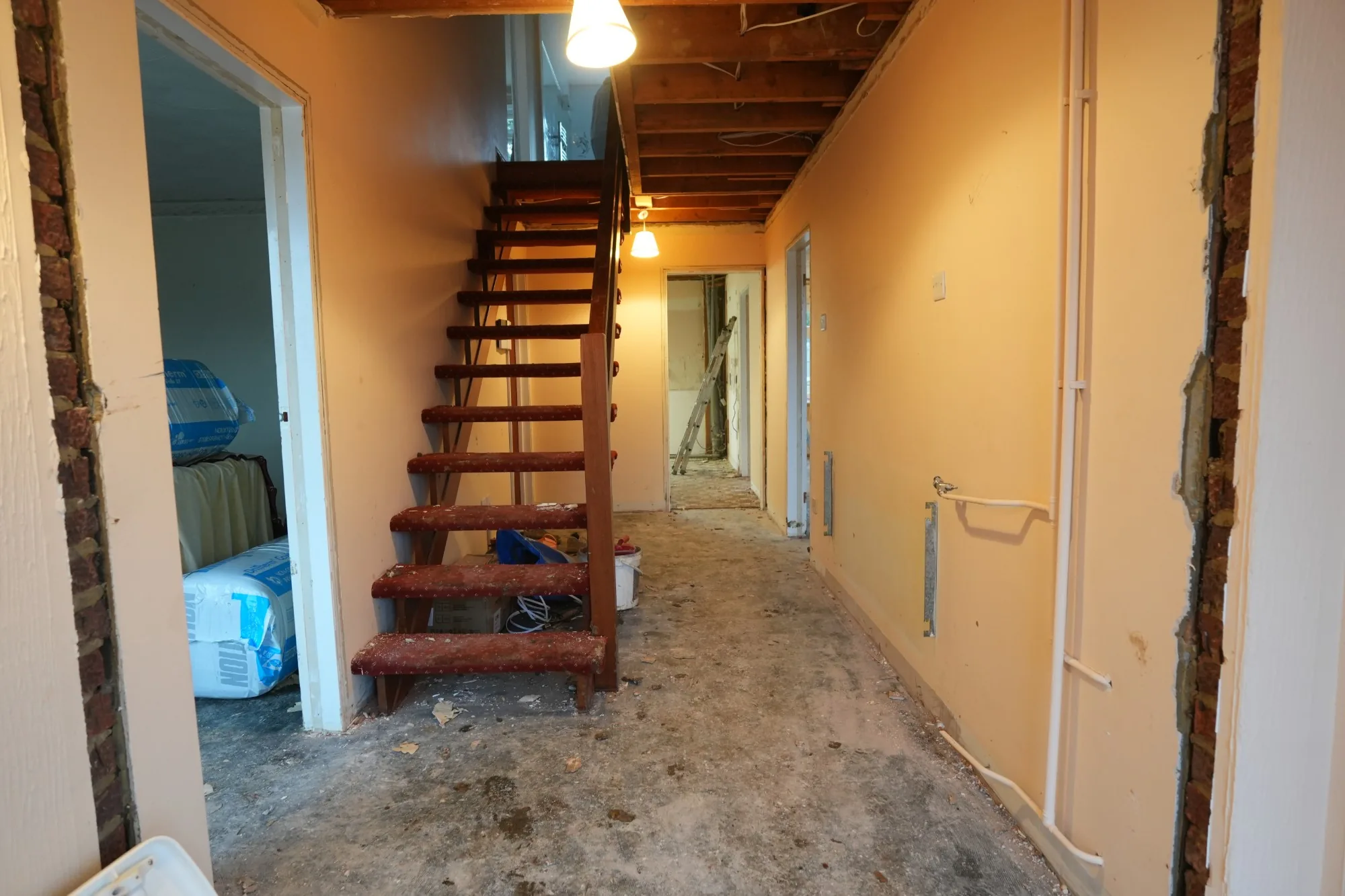
Tip
Photograph every room and every original feature before you plan anything. Good before photographs make it far easier for an architect to describe what is significant and for the council to see that you have understood the building.
Do like for like repairs need consent?
Often not, but the Act does not use the phrase “like for like”. The test is still whether the work would affect the character of the building. Patching a small area with the same material laid the same way is unlikely to change it. Replacing original fabric with something different, or removing it, is much more likely to.
The government’s guidance says that where a person is satisfied the works do not require consent they can proceed, but that “if there is any doubt about whether listed building consent is required” the matter should be discussed with the authority. That is the safe route: ask the council in writing, keep the reply, and only then book the trades.
Can you get listed building consent after the work is done?
Legally, yes, but it is a poor plan. Section 8(3) of the 1990 Act says that where works were carried out without consent and the council or the Secretary of State later grants written consent to keep them, “the works are authorised from the grant of that consent”. The council can refuse, and until the grant the work was not authorised.
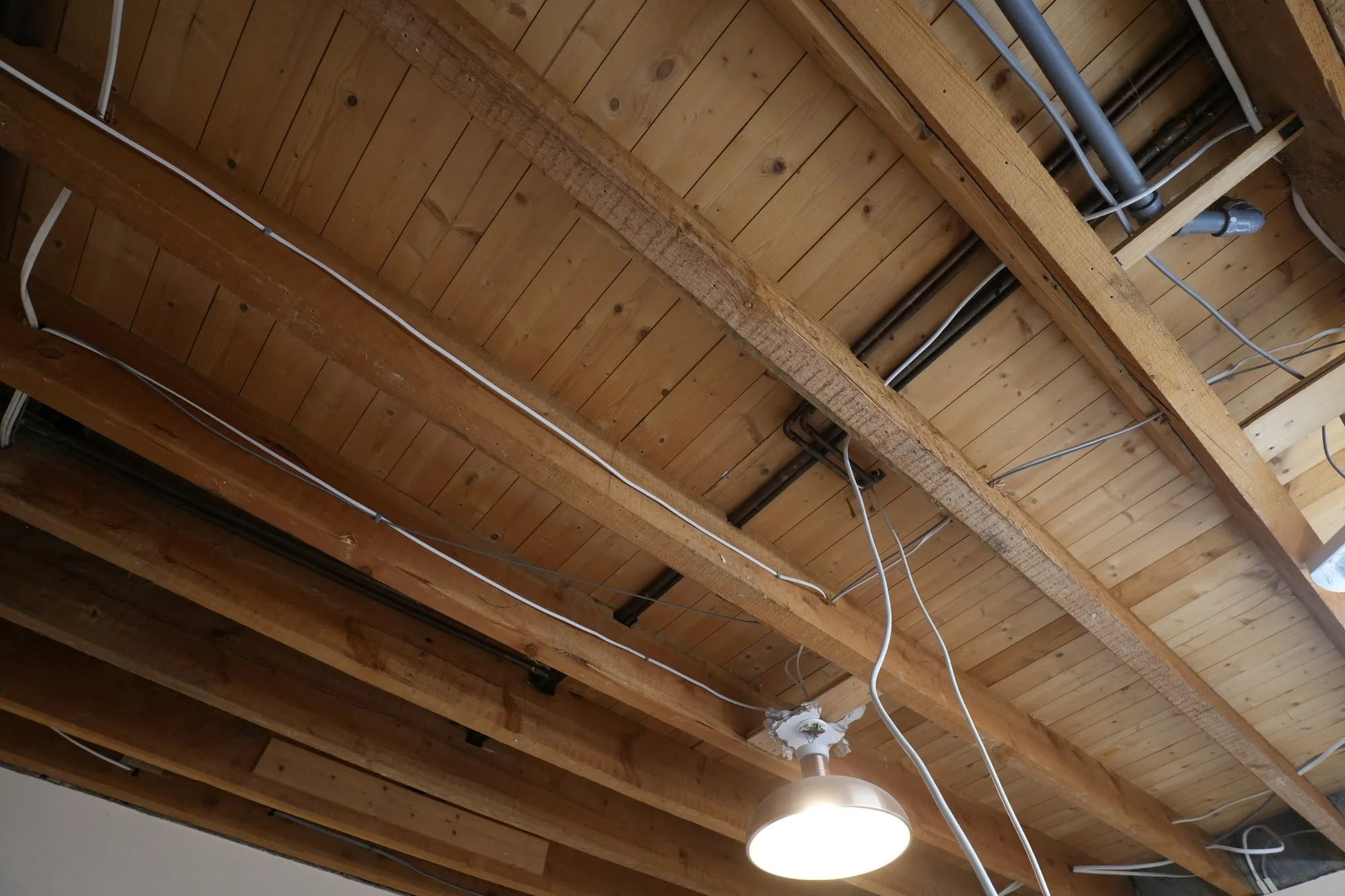
What happens if you alter a listed building without consent?
Section 9 of the 1990 Act makes it an offence to contravene section 7, and also to fail to comply with a condition attached to a consent. On conviction in the Crown Court the penalty can be imprisonment for up to two years, a fine, or both, and the court must have regard to any financial benefit gained from the offence. A summary conviction carries up to six months or a fine. There is a defence for work that was urgently necessary for safety, health or preservation, but it is narrow and the person charged has to prove it, including giving the council written notice as soon as reasonably practicable.
Watch out
The conditions attached to a consent are part of the permission. Work that departs from the approved drawings or ignores a condition can put you in breach even though consent was granted.
How do you apply, and who should help you?
The route in practice is the same for most owners:
- Find out exactly what is listed and at what grade, and photograph the building.
- Decide what you want to change, then ask the council whether each element needs consent.
- Appoint an architect with heritage experience to draw the proposals and explain why the work is justified.
- Submit the application with the drawings and a description of the significance of the building. The guidance says applicants “are expected to describe in their application the significance of any heritage assets affected”.
- Wait for the decision before any work begins, and keep to every condition.
Craig Bellamy, founder of Madisons, explains how we handle architects in his film on whether you need one: “We work with two or three architects all the time, and we do design and planning around that, in and around that.” He adds that “we’ve got a heritage specialist architect”, along with others who suit modern or interior-led projects. You can watch the film with its transcript or read the whole answer there.
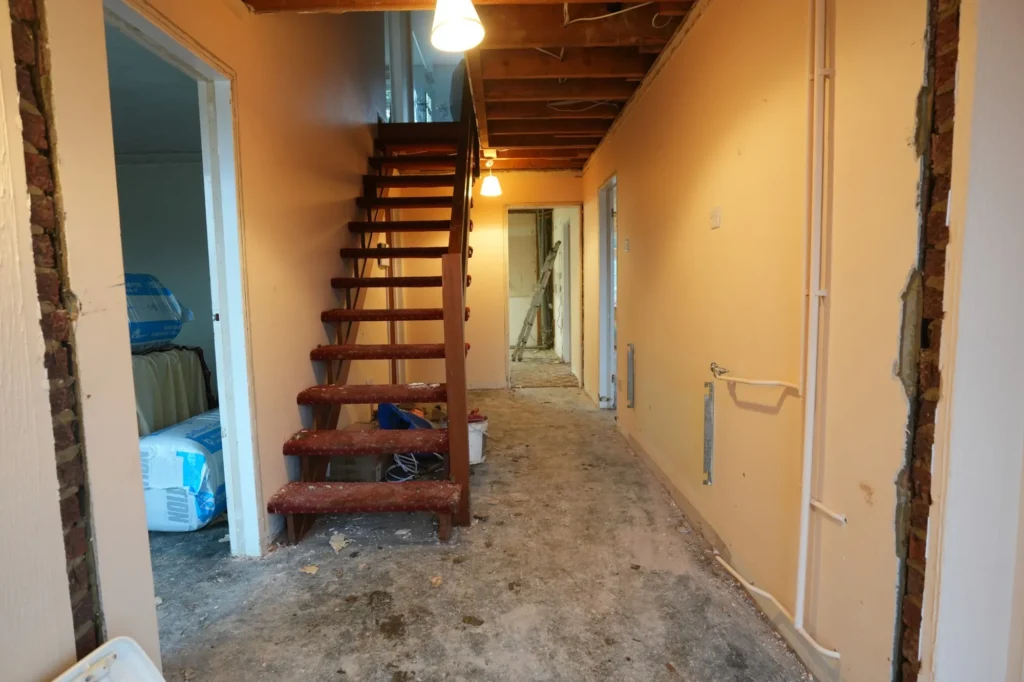
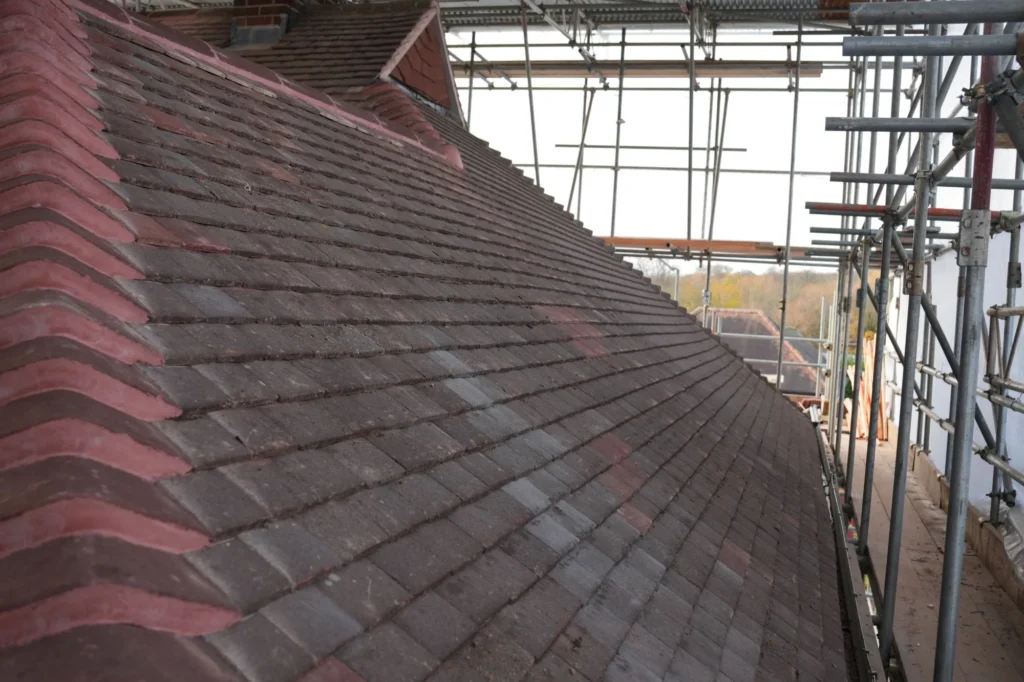
The way a builder works matters as much as the paperwork. Our Wickham Bishops renovation is an 1850s red brick house that was kept as original as possible: each room was stripped back to the brickwork and rebuilt in a traditional style, then finished to a modern, high specification. If you are planning a wider scheme of work on an older house, our whole house renovation page explains how we run it.
Sources and further reading
- Planning (Listed Buildings and Conservation Areas) Act 1990, section 7, legislation.gov.uk
- Planning (Listed Buildings and Conservation Areas) Act 1990, section 8, legislation.gov.uk
- Planning (Listed Buildings and Conservation Areas) Act 1990, section 9, legislation.gov.uk
- Conserving and enhancing the historic environment, GOV.UK
Frequently asked questions
Can listed building consent be granted after the work is done?
In law, yes. Section 8(3) of the Planning (Listed Buildings and Conservation Areas) Act 1990 says that where works were carried out without consent and the council later grants written consent to keep them, the works are authorised from the grant of that consent. Until then they were not authorised, and the council can refuse. Treat it as a way to put a mistake right, never as a plan.
What happens if you alter a listed building without consent?
It is a criminal offence. Section 9 of the 1990 Act says anyone who carries out works without the consent that section 7 requires is guilty of an offence. On conviction in the Crown Court the penalty can be up to two years in prison, a fine, or both, and the court must consider any financial benefit gained. There is a narrow defence for urgent safety work, but you must prove it and tell the council in writing as soon as reasonably practicable.
Do repairs on a like for like basis need consent?
It depends on whether the work affects the character of the building, which is the legal test. Patching a small area with the same material, laid the same way, is the kind of repair that often does not. Replacing original fabric with something different, or removing it, usually does. Because the owner carries the risk, ask the council in writing before you start if there is any doubt.
Can a builder apply for listed building consent for me?
The application goes to your local planning authority and is normally made by or for the owner, with drawings and a description of the significance of the building. Most owners use an architect or agent with heritage experience to prepare it. On a design and build project we arrange that team for you, including a heritage specialist architect where the building calls for one.